

Hey there! As a supplier of Adhesive Interlining, I often get asked about the restrictions on using this nifty stuff in the garment industry. So, I thought I'd sit down and share my thoughts on the topic.
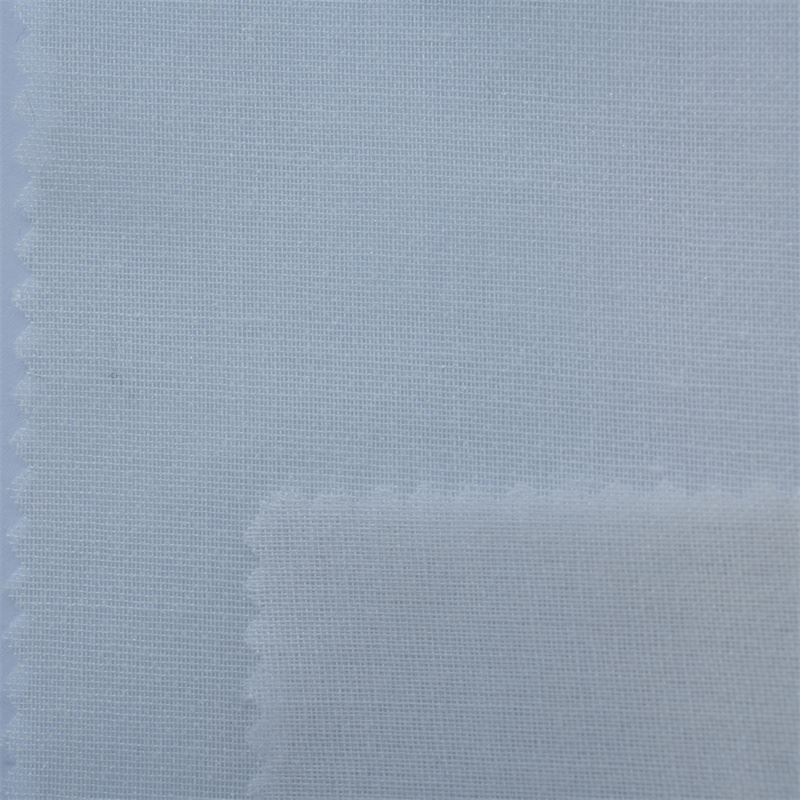
First off, let's talk about what adhesive interlining is. It's basically a fabric that's coated with an adhesive on one or both sides. When heat and pressure are applied, the adhesive melts and bonds the interlining to another fabric. This can add stiffness, shape, and durability to garments, making them look and feel better.
Now, onto the restrictions. There are a few things you need to keep in mind when using adhesive interlining in the garment industry.
Compatibility with Fabrics
One of the biggest restrictions is the compatibility of the adhesive interlining with the fabric it's being bonded to. Not all fabrics play well together. For example, some delicate fabrics like silk or chiffon might not be able to withstand the heat and pressure required to bond the interlining. The heat could cause the fabric to shrink, warp, or lose its sheen. On the other hand, heavy - duty fabrics like denim can usually handle the bonding process without a problem.
As a supplier, I always recommend testing a small sample of the interlining on the fabric before going full - steam ahead. This way, you can see how the two materials interact and make sure there are no negative effects. It's better to be safe than sorry, right? You can check out our Interlining Fabric page for more details on the different types of interlinings we offer and their compatibility with various fabrics.
Washing and Care
Another important restriction is related to washing and care. Adhesive interlining can affect how a garment should be cleaned. Some interlinings are designed to be machine - washable, while others require dry cleaning. If you wash a garment with an incompatible interlining in the wrong way, the adhesive might break down, causing the interlining to peel or bunch up.
This is something that garment manufacturers need to communicate clearly to consumers. A label on the garment should indicate the proper washing instructions. As a supplier, I work closely with my clients to ensure they have all the information they need about the care requirements of the interlining we provide. Our Embroidery Back Interlining has specific care instructions that are important to follow to maintain the integrity of the garment.
Environmental Regulations
In today's world, environmental regulations are a big deal. There are restrictions on the chemicals used in the adhesive of the interlining. Some adhesives contain harmful substances like formaldehyde, which can be released into the environment during the manufacturing process or when the garment is washed.
As a responsible supplier, I make sure that all our adhesive interlinings comply with environmental regulations. We use adhesives that are low in volatile organic compounds (VOCs) and free from harmful chemicals. This not only helps protect the environment but also ensures the safety of the people wearing the garments.
Performance in Different Conditions
The performance of adhesive interlining can also be affected by different environmental conditions. For example, in hot and humid climates, the adhesive might become softer and less effective. On the other hand, in cold temperatures, it could become brittle and crack.
Garment manufacturers need to consider the end - use environment of the garments they're making. If a garment is going to be worn in a tropical climate, they might need to choose an interlining that can withstand high humidity and heat. Our Woven Fusible Interlining is designed to perform well in a variety of conditions, but it's still important to select the right type based on the specific requirements.
Cost and Quality Balance
There's also a balance between cost and quality when it comes to using adhesive interlining. Higher - quality interlinings usually come with a higher price tag. However, using a cheap interlining might lead to problems down the line, such as poor bonding, peeling, or a short lifespan of the garment.
As a supplier, I understand the need for cost - effective solutions. That's why I offer a range of interlinings at different price points. I work with my clients to find the right balance for their specific needs. Whether they're making high - end designer garments or more affordable everyday wear, there's an interlining option that can meet their requirements.
Design and Aesthetic Considerations
Adhesive interlining can also have an impact on the design and aesthetics of a garment. Some interlinings are thicker and stiffer, which can change the drape and feel of the fabric. This might not be suitable for garments that are meant to have a soft, flowing look.
Garment designers need to take this into account when choosing an interlining. They can experiment with different types to achieve the desired effect. For example, if they want a garment to have a structured silhouette, a stiffer interlining might be the way to go. But if they're going for a more casual, relaxed look, a lighter interlining would be better.
Industry Standards and Certifications
The garment industry has certain standards and certifications that adhesive interlining suppliers need to meet. These standards ensure the quality, safety, and performance of the interlining. For example, there are standards for flammability, colorfastness, and strength.
As a supplier, I make sure that all our products meet or exceed these industry standards. We have the necessary certifications to prove it. This gives our clients peace of mind knowing that they're using a reliable and high - quality product.

Conclusion
So, to sum it up, there are definitely some restrictions on using adhesive interlining in the garment industry. From fabric compatibility and washing care to environmental regulations and performance in different conditions, there's a lot to consider.
But don't let these restrictions scare you away. With the right knowledge and the right supplier, you can make the most of adhesive interlining in your garment production. At our company, we're here to help you navigate these challenges. Whether you're a small - scale designer or a large - scale manufacturer, we can provide you with the best interlining solutions for your needs.
If you're interested in learning more about our adhesive interlining products or have any questions about how to use them, don't hesitate to reach out. We're always happy to have a chat and discuss your requirements. Let's work together to create amazing garments!
References
- Textile Research Journal, various issues on fabric bonding and interlining performance.
- Garment Manufacturing Handbook, which provides guidelines on using interlinings in the industry.
- Environmental Protection Agency reports on chemical usage in textile products.