

As a supplier of Bonded Interlining, I've encountered numerous inquiries from customers about the potential of allergic reactions caused by this product. This concern is entirely valid, considering that the human skin is highly sensitive, and any foreign material coming into contact with it has the potential to trigger an immune response. In this blog, I'll delve into the scientific aspects of whether bonded interlining can cause allergic reactions, drawing on my industry knowledge and available research.
Understanding Bonded Interlining
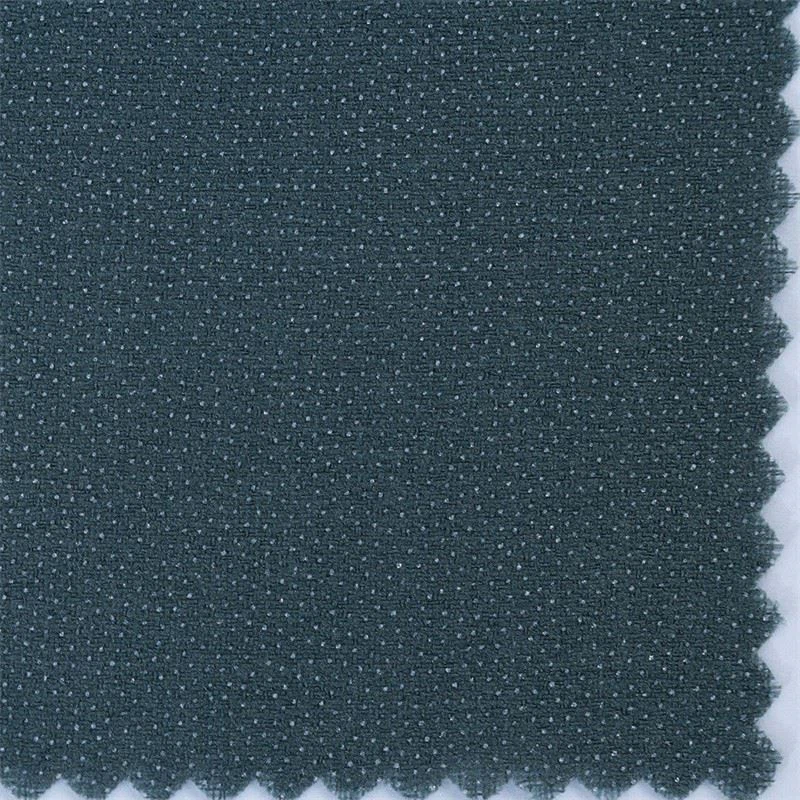
Before we discuss allergic reactions, it's essential to understand what bonded interlining is. Bonded interlining is a fabric that is attached to the main fabric of a garment or accessory to provide structure, shape, and support. It is typically made by bonding a layer of non - woven or woven fabric to a thermoplastic adhesive. This adhesive allows the interlining to adhere to the main fabric when heat and pressure are applied during the manufacturing process.
There are different types of bonded interlining available in the market, each with its unique properties. For instance, Dry Cleaning Interlining is designed to withstand the dry - cleaning process without losing its shape or adhesive properties. On the other hand, High Elasticity Interlining offers stretchability, making it suitable for garments that require flexibility. Bonded Interlining in general is widely used in various applications, including bags, suitcases, and clothing.
Potential Allergens in Bonded Interlining
The materials used in bonded interlining can potentially contain allergens. The primary sources of concern are the fibers in the interlining fabric and the adhesive used for bonding.
Fibers
The fibers used in bonded interlining can vary widely. Common fibers include polyester, cotton, and rayon. Polyester is a synthetic fiber that is generally considered hypoallergenic. It is resistant to mold, mildew, and dust mites, which are common allergens. Cotton is a natural fiber that is also relatively hypoallergenic, although some people with sensitive skin may experience mild irritation. Rayon, a semi - synthetic fiber, can sometimes cause allergic reactions in individuals with a sensitivity to cellulose or the chemicals used in its production.
Adhesives
The adhesive used in bonded interlining is a more significant concern when it comes to allergic reactions. Many adhesives contain chemicals such as formaldehyde, which is a well - known allergen. Formaldehyde is used in some adhesives to improve their bonding strength and durability. However, it can cause skin irritation, itching, redness, and in severe cases, allergic contact dermatitis. Other chemicals in adhesives, such as isocyanates, can also trigger allergic reactions in sensitive individuals.
Scientific Research on Allergic Reactions
Several scientific studies have investigated the potential of textiles and interlinings to cause allergic reactions. A study published in the Journal of Dermatological Science examined the prevalence of allergic contact dermatitis caused by textile dyes and finishing agents. While the study focused more on dyes, it also mentioned that adhesives in textiles could be a source of allergens.
Another research project conducted by a group of dermatologists analyzed the skin reactions of individuals exposed to different types of textile materials. The results showed that a small percentage of participants experienced mild to moderate skin irritation when in contact with certain types of interlining adhesives. However, it's important to note that these reactions were relatively rare and were more likely to occur in individuals with pre - existing skin sensitivities.
Minimizing the Risk of Allergic Reactions
As a bonded interlining supplier, I am committed to providing products that minimize the risk of allergic reactions. Here are some steps we take:
Material Selection
We carefully select the fibers and adhesives used in our bonded interlining. We prioritize the use of hypoallergenic fibers such as polyester and natural fibers that are less likely to cause irritation. When it comes to adhesives, we work with suppliers who offer low - formaldehyde or formaldehyde - free adhesives.
Quality Control
We have a strict quality control process in place to ensure that our products meet the highest standards. Our interlining products are tested for chemical content and allergenic potential before they are released to the market. We also conduct regular audits of our manufacturing facilities to ensure that the production process adheres to safety and environmental regulations.
Product Labeling
We provide clear and detailed product labeling to inform our customers about the materials used in our bonded interlining. This allows customers to make informed decisions based on their individual needs and sensitivities.
Conclusion
In conclusion, while bonded interlining has the potential to cause allergic reactions, the risk is relatively low, especially when proper precautions are taken. The fibers and adhesives used in interlining can contain allergens, but by carefully selecting materials, implementing strict quality control measures, and providing clear product labeling, we can minimize this risk.

If you are a clothing manufacturer, bag maker, or anyone in need of high - quality bonded interlining, I encourage you to reach out to us. We have a wide range of products to meet your specific requirements, and we are committed to providing you with products that are safe and reliable. Whether you need Dry Cleaning Interlining, High Elasticity Interlining, or any other type of Bonded Interlining, we are here to assist you. Contact us to start a procurement discussion and find the perfect interlining solution for your business.
References
- Journal of Dermatological Science, "Prevalence of Allergic Contact Dermatitis Caused by Textile Dyes and Finishing Agents"
- Research project by a group of dermatologists on skin reactions to textile materials.