

Hey there! I'm a supplier of bonded interlining, and today I wanna chat about how bonded interlining works with stretch fabrics. It's a topic that's super relevant in the fashion and textile industry, and I'm excited to share my insights with you.
Understanding Bonded Interlining and Stretch Fabrics
First off, let's get a clear idea of what bonded interlining and stretch fabrics are. Bonded interlining is a material that's attached to the main fabric to provide support, shape, and stability. It can be made from various materials like polyester, cotton, or a blend, and it comes in different weights and textures. On the other hand, stretch fabrics are those that can stretch and recover their shape. They're often used in sportswear, activewear, and form-fitting clothing because of their flexibility and comfort.
The combination of bonded interlining and stretch fabrics can be a game-changer. It allows designers to create garments that not only fit well but also maintain their shape over time. But how does it actually work? Well, it all comes down to the bonding process and the properties of both materials.
The Bonding Process
When we talk about bonding interlining to stretch fabrics, there are a few methods we can use. The most common one is heat bonding. In this process, a special adhesive is applied to the interlining, and then it's pressed onto the stretch fabric using heat. The heat activates the adhesive, creating a strong bond between the two materials.
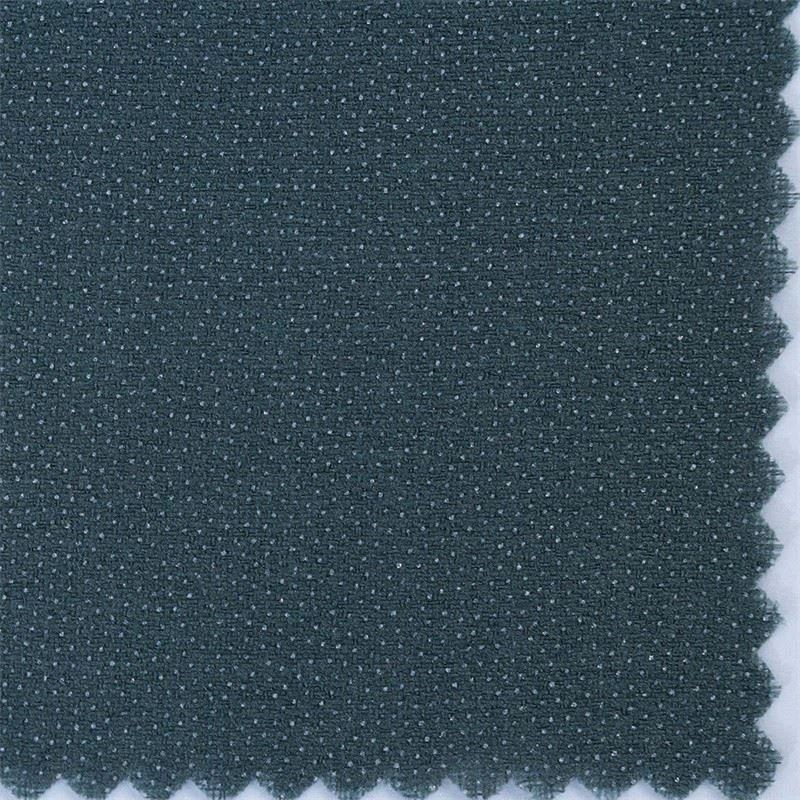

The key here is to find the right balance. If the heat is too high, it can damage the stretch fabric, causing it to lose its elasticity. On the other hand, if the heat is too low, the bond won't be strong enough, and the interlining might peel off over time. That's why we, as bonded interlining suppliers, need to have a good understanding of the properties of both the interlining and the stretch fabric to ensure a successful bond.
Another method is ultrasonic bonding. This technique uses high-frequency sound waves to create heat and pressure, which bonds the interlining and the stretch fabric together. Ultrasonic bonding is often preferred for its speed and precision, and it can be used on a wide range of materials.
Compatibility of Properties
For bonded interlining to work well with stretch fabrics, the properties of both materials need to be compatible. One of the most important factors is elasticity. The interlining should have a similar level of stretch to the stretch fabric. If the interlining is too stiff, it can restrict the movement of the stretch fabric, making the garment uncomfortable to wear. On the other hand, if the interlining is too stretchy, it might not provide enough support.
We also need to consider the shrinkage rate. Both the interlining and the stretch fabric should have similar shrinkage rates to prevent the garment from distorting after washing or dry cleaning. This is where our Dry Cleaning Interlining comes in handy. It's specifically designed to withstand the dry cleaning process without shrinking or losing its shape.
Advantages of Using Bonded Interlining with Stretch Fabrics
There are several advantages to using bonded interlining with stretch fabrics. Firstly, it enhances the durability of the garment. The interlining provides extra support, which helps the stretch fabric maintain its shape even after repeated use and washing. This means that the garment will last longer and look better over time.
Secondly, it improves the fit of the garment. The interlining can help to smooth out any wrinkles or unevenness in the stretch fabric, giving the garment a more polished and professional look. It also helps to keep the shape of the garment, especially in areas like the collar, cuffs, and waistband.
Thirdly, it adds functionality to the garment. For example, our High Elasticity Interlining can be used to add extra stretch and support to areas that need it, like the elbows or knees in sportswear. This can improve the performance of the garment and make it more comfortable to wear.
Applications in Different Industries
The combination of bonded interlining and stretch fabrics has a wide range of applications in different industries. In the fashion industry, it's used to create form-fitting dresses, skirts, and tops. The interlining helps to enhance the shape of the garment and make it more flattering on the body.
In the sportswear industry, it's used to create high-performance activewear. The stretch fabric provides flexibility and comfort, while the interlining provides support and durability. For example, our PA Interlining is often used in sports jerseys and shorts because of its high strength and elasticity.
In the automotive industry, it's used to create seat covers and interior trim. The stretch fabric provides a comfortable and stylish look, while the interlining provides support and durability. This helps to ensure that the seat covers and interior trim last longer and look better over time.
Tips for Working with Bonded Interlining and Stretch Fabrics
If you're working with bonded interlining and stretch fabrics, here are a few tips to keep in mind. Firstly, always test the bonding process on a small sample of the fabric before applying it to the entire garment. This will help you to ensure that the bond is strong and that the fabric doesn't get damaged.
Secondly, make sure to use the right type of interlining for the stretch fabric. Consider the elasticity, shrinkage rate, and weight of both materials to ensure compatibility.
Thirdly, follow the manufacturer's instructions for the bonding process. This will help you to achieve the best results and avoid any problems.
Conclusion
In conclusion, bonded interlining can work really well with stretch fabrics when the bonding process is done correctly and the properties of both materials are compatible. It offers many advantages, including enhanced durability, improved fit, and added functionality. Whether you're in the fashion, sportswear, or automotive industry, the combination of bonded interlining and stretch fabrics can help you to create high-quality products that meet the needs of your customers.
If you're interested in learning more about our bonded interlining products or have any questions about how they work with stretch fabrics, feel free to reach out. We're here to help you find the right solutions for your projects. Let's start a conversation and see how we can work together to create amazing products!
References
- Textile Science and Technology: Principles of Textile Finishing, by Peter Hauser
- Handbook of Textile Fibre Structure, Volume 1: Natural Fibres, by J. E. Hearle