

When it comes to the world of men's and women's suits, the unsung hero that often goes unnoticed is the suit interlining. As a seasoned suit interlining supplier, I've witnessed firsthand the pivotal role interlining plays in the longevity, structure, and overall quality of a suit. In this blog post, I'll delve into the question that many in the fashion industry and suit enthusiasts often wonder: How long does suit interlining usually last?
Understanding Suit Interlining
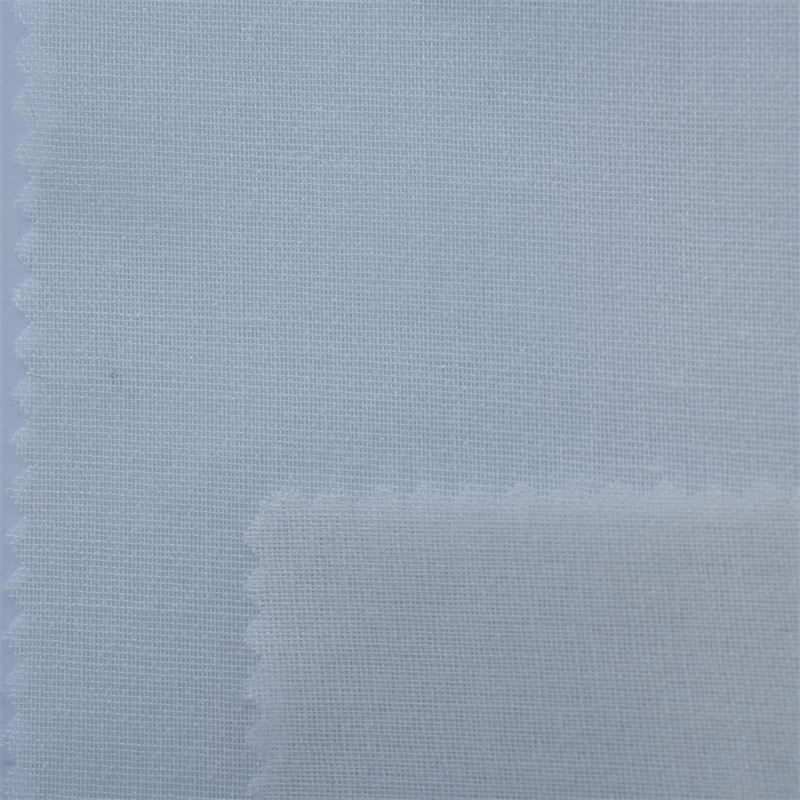
Before we discuss its lifespan, let's briefly understand what suit interlining is. Suit interlining is a layer of fabric placed between the outer fabric and the lining of a suit. It provides structure, shape, and support to the suit, helping it maintain its form over time. There are different types of suit interlining, including Shrink-Resistant Interlining, Woven Fusible Interlining, and Coat Interlining Fabric. Each type has its own unique characteristics and is suited for different applications and suit styles.
Factors Affecting the Lifespan of Suit Interlining
The lifespan of suit interlining can vary significantly depending on several factors. Here are some of the key factors that influence how long suit interlining will last:
Quality of the Interlining Material
The quality of the interlining material is perhaps the most important factor. High-quality interlining materials are made from durable fibers and are designed to withstand the rigors of daily wear. For example, interlinings made from natural fibers such as wool or cotton tend to be more durable and long-lasting compared to those made from synthetic fibers. Additionally, high-quality interlinings are often treated with special finishes to enhance their strength, resilience, and resistance to shrinking and wrinkling.
Manufacturing Process
The manufacturing process also plays a crucial role in determining the lifespan of suit interlining. A well-manufactured interlining will have a consistent thickness, density, and texture, which helps it maintain its shape and structure over time. On the other hand, a poorly manufactured interlining may have weak spots, uneven surfaces, or inconsistent bonding, which can lead to premature wear and tear.

Frequency of Wear
The frequency of wear is another important factor. If a suit is worn frequently, the interlining will be subjected to more stress and strain, which can shorten its lifespan. For example, a suit that is worn every day for work will likely have a shorter lifespan compared to a suit that is only worn on special occasions.
Care and Maintenance
Proper care and maintenance can significantly extend the lifespan of suit interlining. This includes following the care instructions provided by the suit manufacturer, such as dry cleaning or hand washing the suit as recommended. Avoiding excessive heat, moisture, and friction can also help prevent damage to the interlining. For example, hanging the suit on a sturdy hanger and avoiding folding it for long periods can help maintain the shape and structure of the interlining.
Environmental Conditions
The environmental conditions in which the suit is stored and worn can also affect the lifespan of the interlining. Exposure to extreme temperatures, humidity, and sunlight can cause the interlining to deteriorate over time. For example, storing a suit in a damp basement or attic can lead to mold and mildew growth, which can damage the interlining. Similarly, wearing a suit in hot and humid weather can cause the interlining to become limp and lose its shape.
Typical Lifespan of Suit Interlining
Based on my experience as a suit interlining supplier, the typical lifespan of suit interlining can range from 2 to 10 years. However, this is a very general estimate, and the actual lifespan can vary depending on the factors mentioned above.
- Low-Quality Interlining: Low-quality interlining, such as those made from cheap synthetic fibers or manufactured using substandard processes, may only last for 2 to 3 years. These interlinings are more prone to shrinking, wrinkling, and losing their shape over time, especially if the suit is worn frequently.
- Medium-Quality Interlining: Medium-quality interlining, which is made from a blend of natural and synthetic fibers or manufactured using standard processes, can last for 3 to 5 years. These interlinings offer a good balance between durability and affordability and are suitable for most everyday suits.
- High-Quality Interlining: High-quality interlining, such as those made from pure natural fibers or manufactured using advanced processes, can last for 5 to 10 years or even longer. These interlinings are more expensive but offer superior durability, resilience, and performance, making them ideal for high-end suits and suits that are worn infrequently.
Signs That Suit Interlining Needs to Be Replaced
Over time, suit interlining may start to show signs of wear and tear, indicating that it needs to be replaced. Here are some common signs that the interlining in a suit may need to be replaced:
- Shrinking or Wrinkling: If the suit starts to shrink or wrinkle more than usual, it could be a sign that the interlining has lost its shape and elasticity. This can make the suit look baggy or ill-fitting.
- Limpness or Sagging: A suit that looks limp or saggy, especially in the chest, shoulders, or lapels, may have a worn-out interlining. The interlining is responsible for providing structure and support to the suit, and when it starts to deteriorate, the suit will lose its shape.
- Separation or Delamination: If the interlining starts to separate or delaminate from the outer fabric or the lining, it is a clear sign that it needs to be replaced. This can happen due to poor bonding during the manufacturing process or excessive wear and tear.
- Discoloration or Staining: Discoloration or staining on the interlining can also indicate that it is time for a replacement. This can be caused by exposure to sweat, dirt, or other contaminants, which can damage the interlining over time.
Extending the Lifespan of Suit Interlining
As a suit interlining supplier, I understand the importance of helping my customers extend the lifespan of their suits and the interlining. Here are some tips to help you get the most out of your suit interlining:
- Choose High-Quality Interlining: When purchasing a suit, opt for high-quality interlining made from durable materials. This will ensure that the interlining lasts longer and provides better support and structure to the suit.
- Follow Care Instructions: Always follow the care instructions provided by the suit manufacturer. This includes dry cleaning or hand washing the suit as recommended, avoiding excessive heat and moisture, and storing the suit properly.
- Rotate Your Suits: If you have multiple suits, rotate them regularly to reduce the frequency of wear on each suit. This will help extend the lifespan of the interlining and prevent premature wear and tear.
- Invest in Professional Alterations: If your suit starts to show signs of wear and tear, consider investing in professional alterations. A skilled tailor can replace the interlining or make other necessary repairs to restore the suit to its original condition.
Conclusion
In conclusion, the lifespan of suit interlining can vary depending on several factors, including the quality of the interlining material, the manufacturing process, the frequency of wear, the care and maintenance, and the environmental conditions. By choosing high-quality interlining, following proper care instructions, and taking steps to extend its lifespan, you can ensure that your suit looks great and lasts for many years to come.
If you're in the market for high-quality suit interlining, I invite you to explore our range of products. As a leading suit interlining supplier, we offer a wide selection of Shrink-Resistant Interlining, Woven Fusible Interlining, and Coat Interlining Fabric to meet your specific needs and requirements. Contact us today to discuss your interlining needs and explore how we can help you create the perfect suit.
References
- American Apparel & Footwear Association. (n.d.). Suit Interlining Basics. Retrieved from [Website URL]
- International Textile Manufacturers Federation. (n.d.). Textile Quality and Durability. Retrieved from [Website URL]
- Woolmark Company. (n.d.). The Benefits of Wool in Suit Interlining. Retrieved from [Website URL]