

As a seasoned dry cleaning interlining supplier, I've encountered numerous inquiries regarding stain removal from dry cleaning interlining. This topic is crucial as stains not only affect the appearance but also the quality and performance of the interlining. In this blog, I'll share some effective methods based on my years of experience in the industry.
Understanding Dry Cleaning Interlining
Before diving into stain - removal techniques, it's essential to understand what dry cleaning interlining is. Dry cleaning interlining is a material used in the fashion and textile industry to support, reinforce, and give shape to garments. It's placed between the outer fabric and the lining of a piece of clothing. There are different types of dry cleaning interlining available on our website, such as Bonded Interlining, 150 Width Interlining, and High Elasticity Interlining. Each type has its unique characteristics, and the stain - removal methods may vary accordingly.
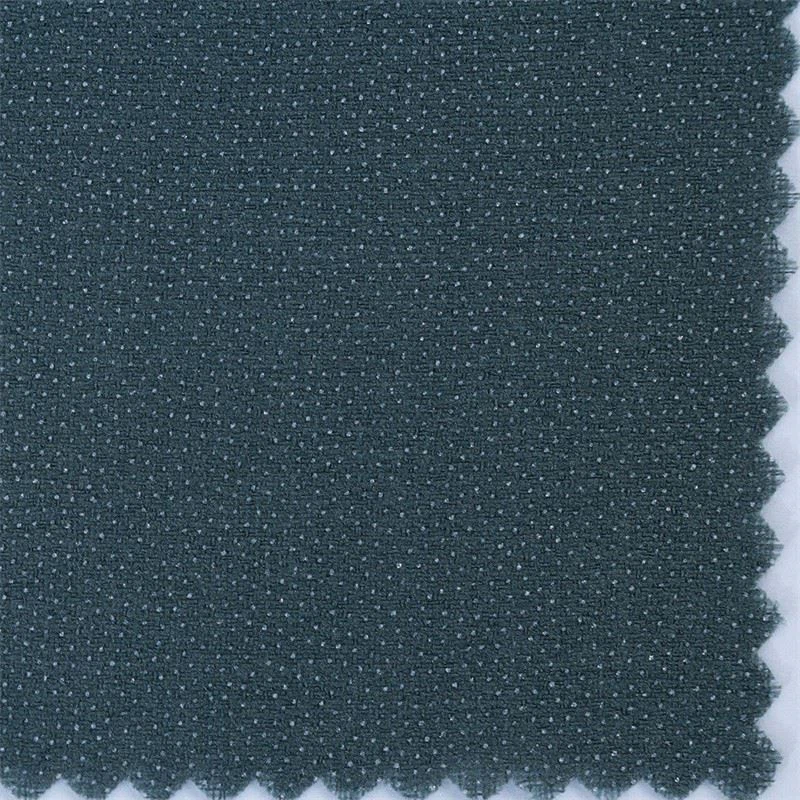

Common Types of Stains on Dry Cleaning Interlining
- Oil - based Stains: These are perhaps the most common stains on dry cleaning interlining. They can come from food, cosmetics, or even body oils. Oil stains are particularly stubborn because they tend to seep deep into the fibers of the interlining.
- Water - based Stains: Such as coffee, tea, or fruit juice stains. While they may seem less severe than oil - based stains, they can leave a visible mark if not treated promptly.
- Ink Stains: Ink can come from pens, markers, or printers. These stains are often difficult to remove due to the pigment and chemical composition of the ink.
Stain Removal Techniques
For Oil - based Stains
- Pre - treatment: Start by blotting the stain gently with a clean, dry cloth to remove any excess oil. Avoid rubbing, as this can spread the stain further.
- Use a Degreaser: Apply a small amount of a mild degreaser to a clean cloth. Gently dab the stained area, working from the outside of the stain towards the center. Be careful not to oversaturate the interlining. Some common household degreasers include dish soap. Mix a small amount of dish soap with warm water to create a soapy solution.
- Rinse and Dry: After treating the stain, rinse the area with clean, lukewarm water. Then, pat the interlining dry with a clean towel. Avoid using high - heat drying methods, as this can damage the interlining.
For Water - based Stains
- Immediate Action: As soon as you notice a water - based stain, blot it with a clean, absorbent cloth. The quicker you act, the better the chances of complete stain removal.
- Vinegar Solution: Mix equal parts of white vinegar and water in a spray bottle. Spray the solution onto the stain and let it sit for a few minutes. The acidic nature of vinegar helps to break down the stain.
- Rinse and Blot: After the vinegar solution has had time to work, rinse the area with clean water and blot dry. If the stain persists, repeat the process.
For Ink Stains
- Alcohol Treatment: Moisten a clean cloth with rubbing alcohol. Gently blot the ink stain, starting from the edges. Do not rub vigorously, as this can cause the ink to spread.
- Baking Soda Paste: If the alcohol treatment doesn't completely remove the stain, make a paste of baking soda and water. Apply the paste to the stain and let it sit for about 15 - 20 minutes. Then, gently scrape off the paste with a blunt knife and rinse the area.
- Final Rinse: Rinse the interlining thoroughly with clean water and pat dry.
Precautions During Stain Removal
- Test on a Small Area: Before applying any stain - removal solution to the entire stained area, test it on a small, inconspicuous part of the interlining. This helps to ensure that the solution does not cause discoloration or damage.
- Follow Manufacturer's Instructions: Different types of dry cleaning interlining may have specific care instructions. Always refer to the manufacturer's guidelines when treating stains.
- Avoid Harsh Chemicals: Some chemicals can be too strong for dry cleaning interlining and may damage its structure or properties. Stick to mild, household - friendly solutions whenever possible.
Quality Assurance of Dry Cleaning Interlining
At our company, we take great pride in the quality of our dry cleaning interlining. We source high - quality materials and use advanced manufacturing processes to ensure that our interlining is durable and resistant to stains. However, in the event that stains do occur, the above - mentioned stain - removal techniques can help you maintain the appearance and performance of the interlining.
When it comes to choosing the right dry cleaning interlining for your needs, we offer a wide range of options. Our Bonded Interlining provides excellent adhesion and support, while the 150 Width Interlining is suitable for a variety of garment sizes. The High Elasticity Interlining offers flexibility and comfort, making it ideal for stretchy garments.
Contact for Procurement
We understand that the right dry cleaning interlining can make a significant difference in the quality of your garments. If you're interested in sourcing high - quality dry cleaning interlining for your business, we invite you to get in touch with us. Our team of experts is ready to discuss your specific requirements and provide you with the best solutions. Whether you need a small quantity for a sample run or a large order for mass production, we can accommodate your needs. Don't hesitate to reach out and start a conversation about how our dry cleaning interlining can enhance your product offerings.
References
- "Textile Chemistry and Technology" by Lewis M. Probstein. This book provides in - depth knowledge about the chemical composition of textiles and how different substances interact with them.
- "Garment Technology Handbook" by Ashok K. Chavan. It offers practical insights into the use of interlining in garment manufacturing and maintenance.
- Industry reports and research papers on dry cleaning interlining from leading textile research institutions.