

As a dedicated supplier of polyester interlining, I've witnessed firsthand the growing demand for high - performance curtain materials. One of the most crucial aspects that consumers often look for in curtains is their light - blocking properties. In this blog, I'll delve into the light - blocking capabilities of polyester interlining in curtains, exploring the science behind it, its advantages, and how it compares to other materials.
The Science Behind Light Blocking
To understand how polyester interlining blocks light, we first need to grasp the basic principles of light interaction with materials. Light can be reflected, absorbed, or transmitted through a material. When it comes to curtains, our goal is to minimize transmission and maximize absorption and reflection.
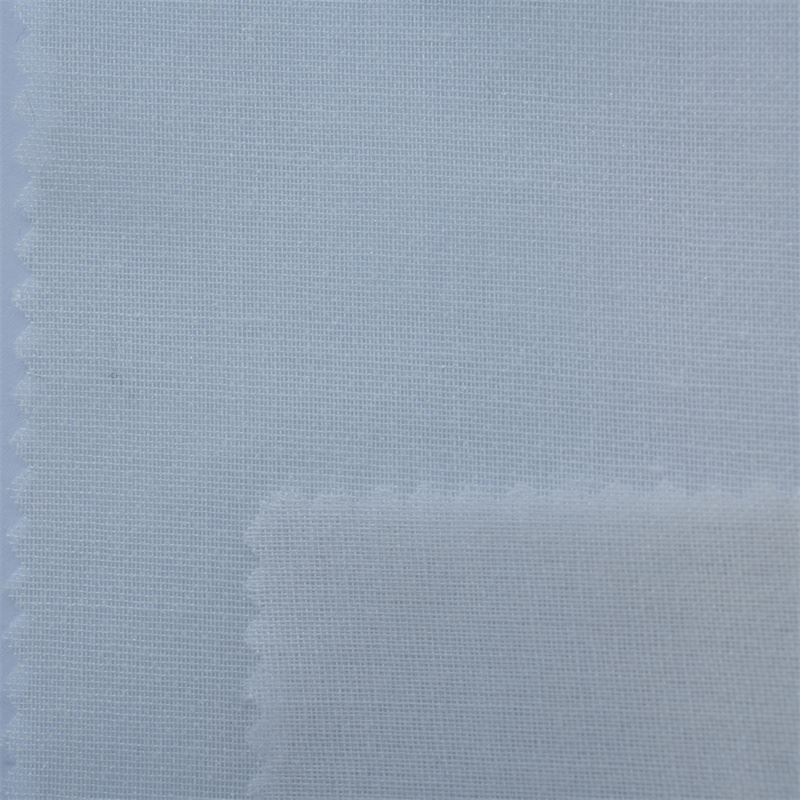
Polyester interlining is made from synthetic polyester fibers. These fibers have a unique molecular structure that allows them to scatter and absorb light effectively. The tightly woven or non - woven structure of polyester interlining creates a physical barrier that light has to pass through. As light hits the surface of the interlining, some of it is reflected back, while the rest is absorbed by the fibers. The more complex the path that light has to take through the material, the less likely it is to pass through to the other side.
Advantages of Polyester Interlining for Light Blocking
1. Consistency
One of the significant advantages of polyester interlining is its consistency in light - blocking performance. Unlike natural fibers, which can vary in quality and structure, polyester interlining is manufactured under controlled conditions. This means that each batch of interlining has a relatively uniform density and fiber arrangement, resulting in consistent light - blocking properties. Whether you're using a small curtain for a bathroom window or a large one for a living room, you can expect a reliable level of light reduction.
2. Durability
Polyester is known for its durability. It resists wear and tear, fading, and stretching better than many natural fibers. This durability is crucial for maintaining the light - blocking properties of curtains over time. As curtains are exposed to sunlight, humidity, and regular use, a less durable material may start to degrade, losing its ability to block light effectively. Polyester interlining, on the other hand, can withstand these environmental factors, ensuring long - term light - blocking performance.
3. Cost - effectiveness
Compared to some high - end light - blocking materials, polyester interlining is relatively affordable. This makes it an attractive option for both residential and commercial applications. Homeowners can achieve a good level of light control without breaking the bank, and businesses can outfit large spaces with curtains at a reasonable cost. The cost - effectiveness of polyester interlining doesn't compromise its performance, making it a practical choice for many consumers.
4. Ease of Maintenance
Polyester interlining is easy to clean and maintain. It can be machine - washed in most cases, which is a significant advantage for curtains that may get dirty over time. Regular cleaning helps to keep the interlining in good condition, ensuring that it continues to block light effectively. In contrast, some natural fibers may require special cleaning methods or professional dry - cleaning, which can be time - consuming and expensive.
Comparing Polyester Interlining with Other Materials
1. Cotton Interlining
Cotton is a popular natural fiber used in curtain interlinings. While cotton has some light - blocking capabilities, it generally falls short compared to polyester. Cotton fibers are more porous than polyester, allowing more light to pass through. Additionally, cotton is more prone to shrinking and wrinkling, which can affect its light - blocking performance. Over time, cotton interlining may also lose its shape and density, further reducing its ability to block light.

2. Blackout Liners
Blackout liners are specifically designed to block light. They are often made from a combination of materials, including polyester, but with additional coatings or treatments to enhance light - blocking. While blackout liners can provide almost complete light blockage, they can be more expensive than polyester interlining. Polyester interlining offers a good balance between light - blocking performance and cost, making it a more accessible option for many consumers.
Applications of Polyester Interlining in Curtains
1. Residential Use
In homes, polyester interlining is widely used in bedrooms, nurseries, and media rooms. In bedrooms, it helps to create a dark and comfortable sleeping environment, especially for those who work night shifts or are sensitive to light. In nurseries, it can help babies sleep better by reducing the amount of sunlight that enters the room. Media rooms benefit from the light - blocking properties of polyester interlining, allowing for a more immersive viewing experience.
2. Commercial Use
Commercial spaces such as hotels, conference rooms, and theaters also make use of polyester interlining in curtains. In hotels, curtains with polyester interlining can enhance the comfort of guests by providing a dark and quiet room. Conference rooms can use these curtains to control the lighting during presentations, and theaters can achieve better visual effects by blocking out external light.
Our Product Range
As a supplier of polyester interlining, we offer a wide range of products to meet different needs. Our Woven Fusible Interlining is a popular choice for curtains. It has a strong and stable structure, which enhances the light - blocking properties of the curtains. Our Cloth Interlining provides a soft and natural look while still offering good light - blocking performance. And our Dress Interlining can be used in curtains for a more elegant and refined appearance.
Conclusion
Polyester interlining offers excellent light - blocking properties, along with many other advantages such as consistency, durability, cost - effectiveness, and ease of maintenance. Whether for residential or commercial use, it is a reliable choice for curtains. If you're in the market for high - quality polyester interlining for your curtains, we'd love to hear from you. We can provide you with samples and detailed information about our products. Contact us to start a discussion about your specific requirements and how our polyester interlining can meet your light - blocking needs.
References
- "Textile Science and Technology: Fibers, Yarns, Fabrics, and Nonwovens" by Horrocks, A. R., & Anand, S. C.
- "Curtain Design and Function" by Interior Design Institute.
- Industry reports on curtain materials and their performance.