

UV resistance is a crucial property when it comes to bonded interlining, a product that we, as a bonded interlining supplier, take great interest in. Bonded interlining plays a significant role in various industries, especially in the manufacturing of bags and suitcases. In this blog, we will explore what UV resistance of bonded interlining is, why it matters, and how it impacts the quality and durability of the end - products.
Understanding Bonded Interlining
Before delving into UV resistance, let's first understand what bonded interlining is. Bonded Interlining is a type of fabric that is bonded to another fabric to provide support, shape, and stability. It is commonly used in the production of bags, suitcases, and other fashion accessories. The bonding process can be achieved through various methods, such as heat, adhesive, or ultrasonic welding.
There are different types of bonded interlining available in the market, including 150 Width Interlining and PA Interlining. Each type has its own unique characteristics and applications. For example, 150 Width Interlining is often used for larger bags and suitcases, providing a wider area of support. PA Interlining, on the other hand, is known for its high strength and durability, making it suitable for heavy - duty applications.
What is UV Resistance?
UV resistance refers to the ability of a material to withstand the damaging effects of ultraviolet (UV) radiation from the sun. UV radiation can cause various problems to materials, such as fading, discoloration, embrittlement, and degradation of mechanical properties. When it comes to bonded interlining, UV resistance is essential because it ensures that the interlining maintains its quality and performance over time, even when exposed to sunlight.
The UV spectrum is divided into three main types: UVA, UVB, and UVC. UVA rays have the longest wavelength and can penetrate deep into the material, causing long - term damage. UVB rays have a shorter wavelength and are mainly responsible for sunburn and surface damage. UVC rays are the most dangerous but are mostly absorbed by the Earth's atmosphere and do not reach the surface.
Why UV Resistance Matters in Bonded Interlining
There are several reasons why UV resistance is important in bonded interlining.
1. Aesthetic Appeal
One of the most obvious reasons is the aesthetic appeal. Bags and suitcases are often exposed to sunlight during transportation, storage, or use. If the bonded interlining does not have good UV resistance, it can fade or discolor over time, making the product look old and worn out. This can significantly reduce the market value of the end - product.
2. Durability
UV radiation can also weaken the bonds between the interlining and the outer fabric, as well as degrade the fibers of the interlining itself. This can lead to a loss of strength and stability, causing the bag or suitcase to lose its shape or even fall apart. Good UV resistance ensures that the bonded interlining maintains its integrity and durability, extending the lifespan of the product.
3. Performance
The performance of the bonded interlining can be affected by UV radiation. For example, if the interlining becomes brittle due to UV exposure, it may not be able to provide the necessary support and flexibility. This can impact the functionality of the bag or suitcase, such as its ability to open and close smoothly or withstand the weight of the contents.
Factors Affecting the UV Resistance of Bonded Interlining
Several factors can affect the UV resistance of bonded interlining.
1. Material Composition
The type of fibers used in the interlining plays a significant role in its UV resistance. Some fibers, such as polyester, have better natural UV resistance compared to others, like cotton. Polyester fibers can absorb and dissipate UV radiation, reducing the damage to the material. Additionally, the use of UV - resistant additives during the manufacturing process can further enhance the UV resistance of the interlining.
2. Bonding Method
The bonding method used to attach the interlining to the outer fabric can also affect UV resistance. Some bonding methods may create a more protective barrier against UV radiation, while others may be more susceptible to damage. For example, heat - bonded interlining may have better UV resistance compared to adhesive - bonded interlining, as the heat - bonding process can create a more uniform and durable bond.
3. Thickness and Density
The thickness and density of the bonded interlining can influence its UV resistance. Thicker and denser interlinings generally have better UV resistance because they can provide more protection against UV radiation. However, it is important to balance the thickness and density with other factors, such as weight and flexibility, to ensure that the end - product meets the desired specifications.
Testing the UV Resistance of Bonded Interlining
To ensure that the bonded interlining meets the required UV resistance standards, various testing methods can be used.
1. Accelerated Weathering Tests
Accelerated weathering tests are commonly used to simulate the long - term effects of UV radiation on the interlining. In these tests, the interlining samples are exposed to high - intensity UV light in a controlled environment for a specific period of time. The samples are then evaluated for changes in color, strength, and other properties.
2. Outdoor Exposure Tests
Outdoor exposure tests involve placing the interlining samples outdoors for a certain period of time, usually several months or even years. This method provides a more realistic assessment of the UV resistance of the interlining, as it takes into account the actual environmental conditions, such as sunlight, temperature, and humidity.
Improving the UV Resistance of Bonded Interlining
There are several ways to improve the UV resistance of bonded interlining.
1. Use of UV - Resistant Fibers
As mentioned earlier, using UV - resistant fibers, such as polyester, can significantly improve the UV resistance of the interlining. Additionally, blending different types of fibers can also enhance the overall performance of the interlining.
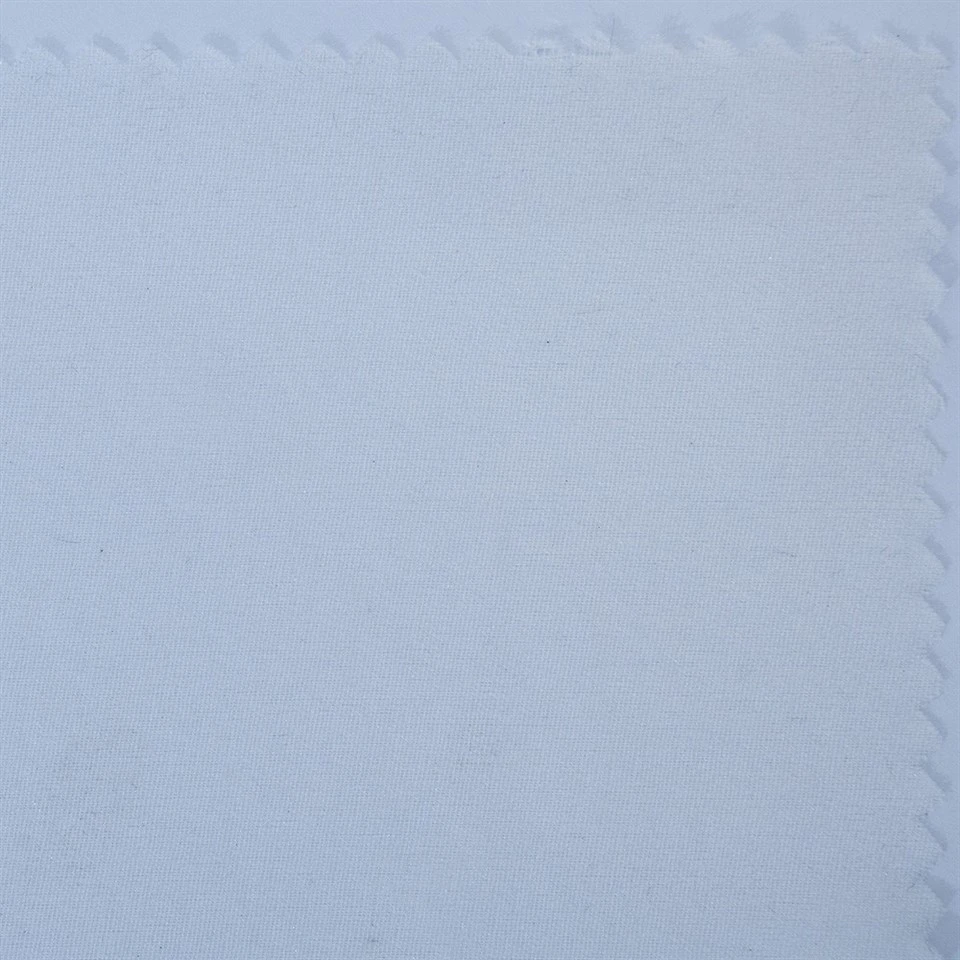

2. UV - Resistant Coatings
Applying UV - resistant coatings to the surface of the interlining can provide an extra layer of protection against UV radiation. These coatings can absorb or reflect UV rays, reducing the damage to the interlining.
3. Quality Control in Manufacturing
Strict quality control during the manufacturing process is essential to ensure that the bonded interlining has consistent and reliable UV resistance. This includes using high - quality raw materials, following proper manufacturing procedures, and conducting regular testing.
Conclusion
In conclusion, UV resistance is a critical property of bonded interlining. It affects the aesthetic appeal, durability, and performance of bags and suitcases. As a bonded interlining supplier, we understand the importance of providing high - quality interlining with excellent UV resistance. By considering factors such as material composition, bonding method, and thickness, and by using appropriate testing and improvement methods, we can ensure that our bonded interlining meets the highest standards.
If you are in the market for bonded interlining with outstanding UV resistance, we invite you to contact us for a detailed discussion. Our team of experts is ready to assist you in finding the most suitable interlining for your specific needs.
References
- ASTM International. (2019). Standard Test Methods for Colorfastness to Light and Weathering of Textiles. ASTM D4303 - 19.
- ISO. (2017). Textiles - Tests for Colour Fastness - Part B06: Colour Fastness to Artificial Light: Xenon Arc Lamp Test. ISO 105 - B06:2017.
- Morton, W. E., & Hearle, J. W. S. (2008). Physical Properties of Textile Fibres. Woodhead Publishing.