

In the realm of fashion design, every detail matters, and one often-overlooked element that plays a crucial role is collar interlining. As a collar interlining supplier, I have witnessed firsthand how this seemingly minor component can significantly impact the overall look, feel, and functionality of a garment. In this blog post, I will delve into the various roles of collar interlining in fashion design and explore why it is an essential consideration for designers and manufacturers alike.
Structural Support
One of the primary functions of collar interlining is to provide structural support to the collar. A well-designed collar should maintain its shape and stand upright, whether it's a classic shirt collar, a tailored suit collar, or a trendy stand-up collar. Collar interlining helps achieve this by adding stiffness and stability to the fabric, preventing the collar from flopping or losing its shape over time.
For example, in a dress shirt, the collar interlining gives the collar its crispness and ensures that it stays in place throughout the day. Without interlining, the collar would likely sag and wrinkle, detracting from the overall professional appearance of the shirt. Similarly, in a suit jacket, the collar interlining provides the necessary structure to give the collar its sharp edges and elegant drape, enhancing the overall silhouette of the garment.
Shape Retention
In addition to providing structural support, collar interlining also helps the collar retain its shape. Over time, repeated wear and washing can cause the fabric of the collar to stretch and lose its original shape. Collar interlining acts as a reinforcement, preventing the collar from distorting and maintaining its intended shape for longer.
This is particularly important for collars with intricate designs or shapes, such as wingtip collars or mandarin collars. These collars require precise shaping and construction to achieve their unique look, and collar interlining helps ensure that the shape is maintained even after multiple uses. By using high-quality collar interlining, designers can create collars that look sharp and stylish, season after season.
Comfort and Fit
While structural support and shape retention are important, comfort and fit are also crucial considerations in fashion design. Collar interlining can play a role in enhancing the comfort and fit of a collar by providing a soft and smooth surface against the skin.
Many collar interlinings are made from materials that are breathable and hypoallergenic, ensuring that the wearer remains comfortable throughout the day. Additionally, the right interlining can help reduce irritation and chafing, especially for collars that come into direct contact with the neck.

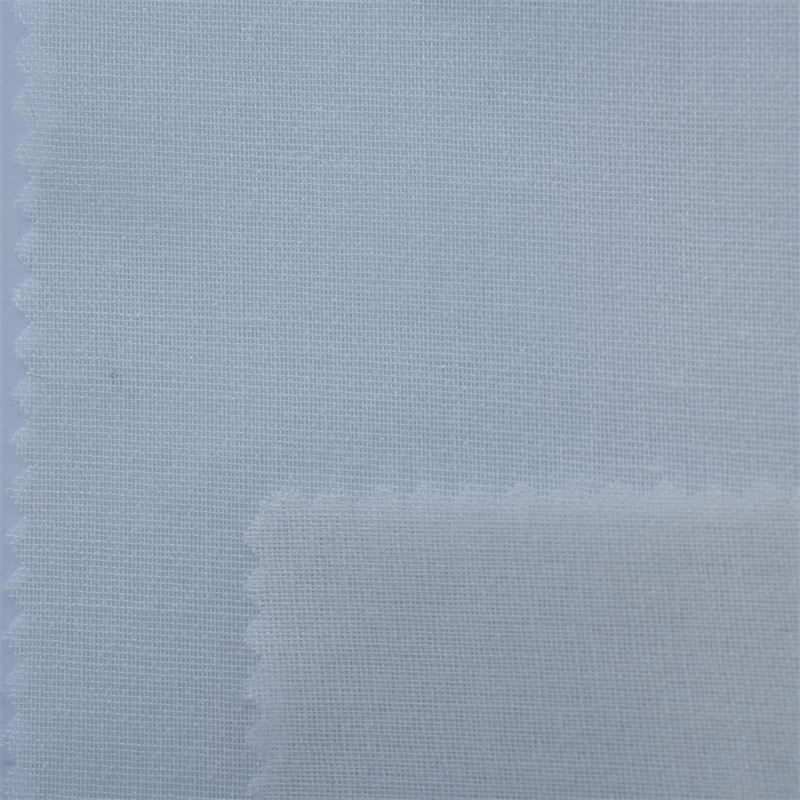
Furthermore, collar interlining can be used to adjust the fit of a collar. By choosing the appropriate thickness and stiffness of the interlining, designers can create collars that fit snugly without being too tight or restrictive. This is particularly important for collars that are worn close to the neck, such as polo collars or turtlenecks.
Aesthetic Enhancement
Beyond its functional benefits, collar interlining can also enhance the aesthetic appeal of a collar. The right interlining can add depth, texture, and dimension to the collar, making it look more luxurious and sophisticated.
For example, a woven fusible interlining can give a collar a smooth and polished appearance, while a non-woven interlining can add a soft and fuzzy texture. Designers can also choose interlinings with different colors and patterns to create a unique and eye-catching look.
In addition, collar interlining can be used to create contrast and visual interest. By using a different color or texture of interlining on the inside of the collar, designers can add a hidden detail that adds a touch of sophistication to the garment.
Types of Collar Interlining
There are several types of collar interlining available, each with its own unique properties and benefits. Some of the most common types of collar interlining include:
- Shirt Interlining: Shirt Interlining is specifically designed for use in shirt collars. It is typically made from a lightweight and breathable material, such as cotton or polyester, and provides a soft and comfortable feel against the skin. Shirt interlining is available in a variety of weights and stiffnesses, allowing designers to choose the right interlining for their specific shirt design.
- Woven Fusible Interlining: Woven Fusible Interlining is a popular choice for collar interlining because it is easy to use and provides excellent shape retention. It is made from a woven fabric that is coated with a fusible adhesive on one side, allowing it to be easily bonded to the fabric of the collar using heat and pressure. Woven fusible interlining is available in a variety of weights and textures, making it suitable for a wide range of collar designs.
- Adhesive Interlining: Adhesive Interlining is another type of collar interlining that is commonly used in fashion design. It is similar to woven fusible interlining, but instead of a woven fabric, it is made from a non-woven material that is coated with an adhesive. Adhesive interlining is lightweight and flexible, making it ideal for collars that require a soft and comfortable feel.
Choosing the Right Collar Interlining
Choosing the right collar interlining is essential for achieving the desired look, feel, and functionality of a collar. When selecting a collar interlining, designers should consider the following factors:
- Fabric Type: The type of fabric used for the collar will determine the type of interlining that is most suitable. For example, lightweight fabrics may require a lighter weight interlining, while heavier fabrics may require a thicker and stiffer interlining.
- Collar Design: The design of the collar, including its shape, size, and style, will also influence the choice of interlining. Collars with intricate designs or shapes may require a more precise and durable interlining, while collars with a simple design may be suitable for a lighter weight interlining.
- Desired Effect: The desired effect of the collar, such as stiffness, softness, or shape retention, will also play a role in the selection of interlining. Designers should choose an interlining that will achieve the desired effect while still maintaining the comfort and fit of the collar.
- Quality and Durability: The quality and durability of the interlining are also important considerations. A high-quality interlining will ensure that the collar maintains its shape and functionality for longer, reducing the need for frequent replacements.
Conclusion
In conclusion, collar interlining plays a crucial role in fashion design, providing structural support, shape retention, comfort, fit, and aesthetic enhancement to collars. As a collar interlining supplier, I understand the importance of using high-quality interlining to achieve the best results. By choosing the right interlining for their specific design needs, designers can create collars that look sharp, stylish, and comfortable, enhancing the overall appeal of their garments.
If you are a fashion designer or manufacturer looking for high-quality collar interlining, I invite you to contact me to discuss your specific requirements. I offer a wide range of collar interlinings, including Shirt Interlining, Woven Fusible Interlining, and Adhesive Interlining, and I am committed to providing excellent customer service and support. Let's work together to create collars that make a statement!
References
- Fashion Design: The Basics by Rebecca Lowery
- The Complete Book of Sewing by Reader's Digest
- Interfacing and Interlining: A Practical Guide by Claire Shaeffer