

Hey there! As a supplier of PET Interlining, I often get asked about the water - resistance of this amazing product. So, let's dive right in and explore what the water - resistance of PET Interlining is all about.
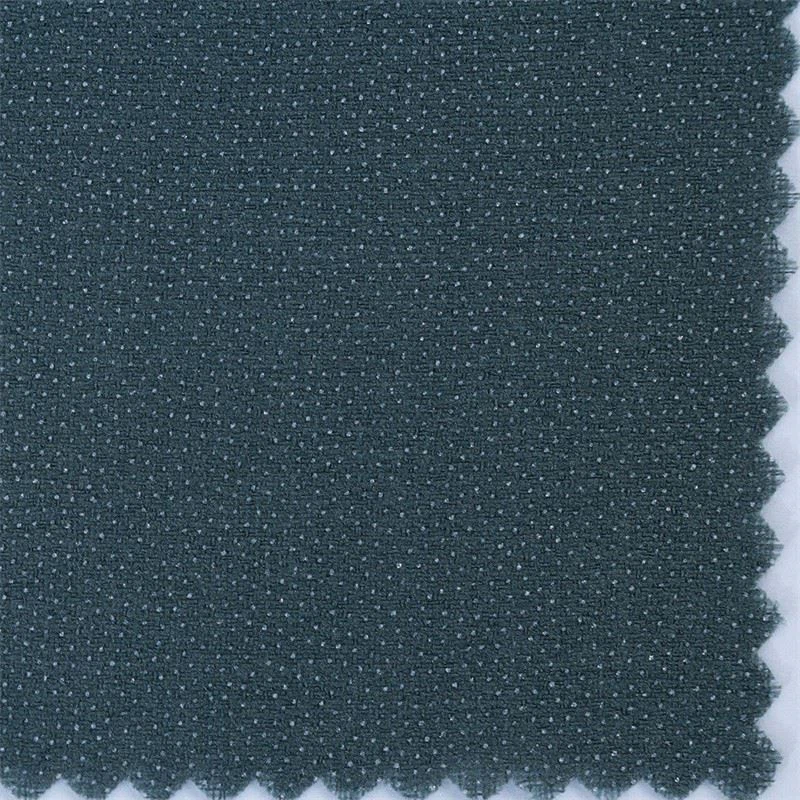
First off, let's understand what PET Interlining is. PET, or polyethylene terephthalate, is a type of polyester. PET Interlining is made from this polyester material and is widely used in the manufacturing of bags, suitcases, and various clothing items. It provides structure, stability, and support to the main fabric, making the end - product more durable and long - lasting.
Now, when it comes to water - resistance, PET Interlining has some unique properties. Unlike natural fibers like cotton or wool, which tend to absorb water easily, PET is a synthetic material that has a low affinity for water. This means that it doesn't soak up water like a sponge. When water comes into contact with PET Interlining, it tends to bead up and roll off rather than being absorbed into the material.
One of the reasons for this water - resistant characteristic is the chemical structure of PET. The polymer chains in PET are tightly packed and have a smooth surface. This smoothness prevents water molecules from easily penetrating the material. Additionally, the hydrophobic nature of PET means that it repels water, keeping the interlining dry even when exposed to moisture.
In practical applications, the water - resistance of PET Interlining is a huge advantage. For example, in the production of bags and suitcases, it helps to protect the contents from getting wet. Imagine you're traveling and it starts to rain. If your bag is lined with PET Interlining, the water won't seep through and damage your clothes, electronics, or other belongings.
In the clothing industry, PET Interlining can be used in outerwear such as jackets and coats. It adds an extra layer of protection against rain and snow, keeping the wearer dry and comfortable. Even in light drizzles, the water - resistant interlining will prevent the fabric from getting saturated, which can lead to a heavy and uncomfortable feeling.
However, it's important to note that the water - resistance of PET Interlining is not absolute. While it can resist light to moderate moisture, it may not hold up well under prolonged exposure to heavy rain or submersion in water. If the interlining is exposed to water for an extended period, some water may eventually start to seep through, especially at the seams or edges where the material may be more vulnerable.
To enhance the water - resistance of PET Interlining, manufacturers can apply special coatings or treatments. These coatings can further reduce the surface tension of the material, making it even more difficult for water to penetrate. Some coatings also provide additional benefits such as stain resistance and anti - microbial properties.
Another factor that can affect the water - resistance of PET Interlining is its thickness and density. Thicker and denser interlinings generally have better water - resistant properties because there are more layers of material for the water to penetrate. However, this also needs to be balanced with other factors such as flexibility and weight, as thicker interlinings may make the end - product stiffer and heavier.
When choosing PET Interlining for a specific application, it's important to consider the level of water - resistance required. For applications where only light moisture protection is needed, a standard PET Interlining may be sufficient. But for more demanding situations, such as outdoor gear or waterproof clothing, a coated or treated interlining may be a better choice.
Now, let's talk about some of the other types of interlinings available and how they compare to PET Interlining in terms of water - resistance. 150 Width Interlining is another popular option. While it may have its own set of advantages in terms of width and compatibility with certain fabrics, its water - resistance may vary depending on the material it's made from. If it's also made from PET, it will likely have similar water - resistant properties. However, if it's made from a different material like cotton or viscose, it will be less water - resistant compared to PET Interlining.
High Elasticity Interlining is designed to provide stretch and flexibility. The water - resistance of high - elasticity interlining can also depend on its base material. If it's a PET - based high - elasticity interlining, it will inherit the water - resistant properties of PET. But if it contains a high percentage of natural fibers for the elasticity, its water - resistance may be compromised.
In conclusion, the water - resistance of PET Interlining is a valuable property that offers many benefits in various industries. It provides a good level of protection against moisture, making it suitable for a wide range of applications. Whether you're in the bag, suitcase, or clothing business, considering the water - resistance of your interlining can make a big difference in the quality and performance of your products.
If you're interested in purchasing PET Interlining for your manufacturing needs, I'd love to have a chat with you. We can discuss your specific requirements, such as the level of water - resistance, thickness, and width. Our team is always ready to provide you with the best solutions and high - quality products. So, don't hesitate to reach out and start a conversation about your interlining needs.

References:
- Textile Chemistry textbooks
- Industry reports on interlining materials